
Assignment 1: Career planning in the Games industry
Overview
For this assignment, I have been tasked to study and evaluate different research methods, create a chart to help with time management, work in a group to research careers in the gaming industry, create a post from the research we gathered together, plan my career path in the games industry, identify what I need to improve on to achieve my goal and create a plan to improve, and reflect on my work in the end.
Gantt chart
To assist in time management, I produced a Gantt chart to plan timeframes for each task. I designed this Gantt chart using Canva, it will support me in keeping on top of tasks.

Evaluate research tools
Primary research
Primary research methodology gathers data by studying first-hand experiences. For example, conducting research by writing a survey (Source 1). This is advantageous because the information you have gained is your own, so you can claim it is your own original work when publishing. However, primary research can be less time effective than studying existing work.
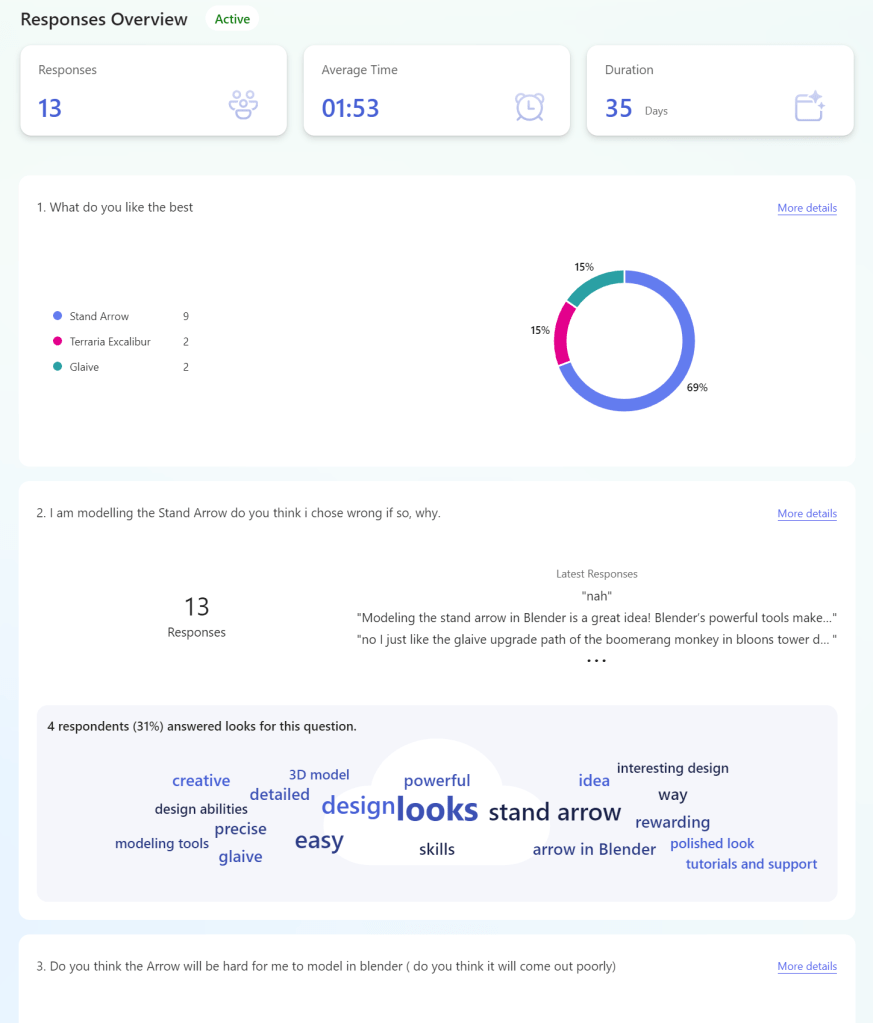
Source 1
The results from a feedback survey for my 3D model assignment.
Secondary research
Secondary research methodology gathers data by studying existing sources. For example, studying existing books or papers (Source 2 & 3). This is advantageous because it’s very time and cost effective. However, not all sources may be trustworthy or up-to-date.
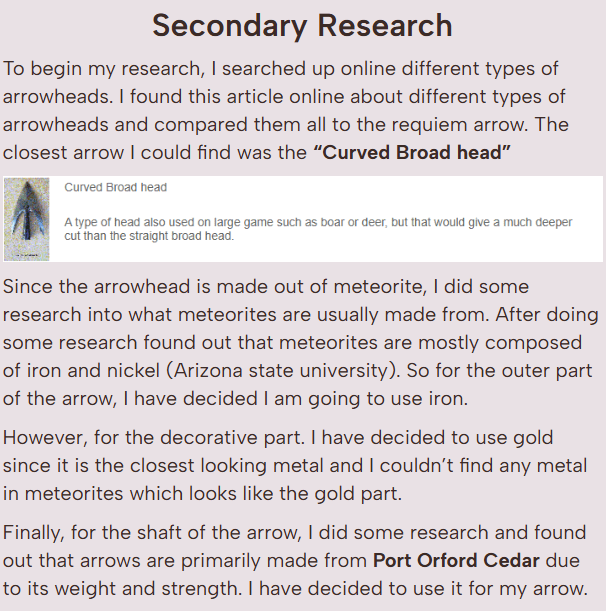
Source 2
Secondary research I conducted from a paper about arrowheads.
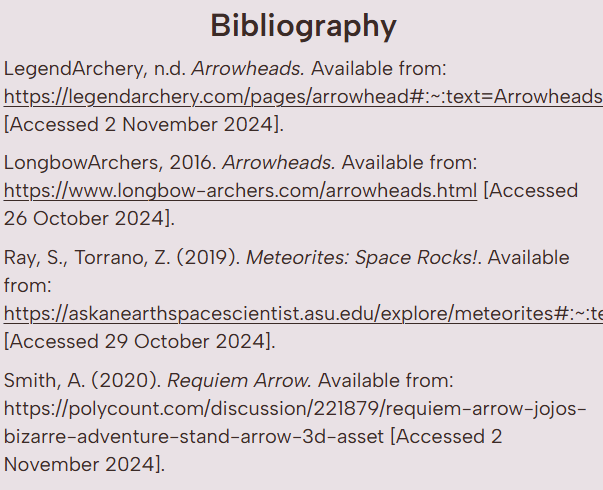
Source 3
My bibliography for the sources I used in my 3D model assignment.
Qualitative research
Qualitative research methodology gathers non-numerical data through observing people’s feelings. For example, creating a focus group (Source 4). This is advantageous because utilizing people’s opinions will lead to creating a widely enjoyed product. However, methods like focus groups could be bias or opinions could sway due to groupthink.
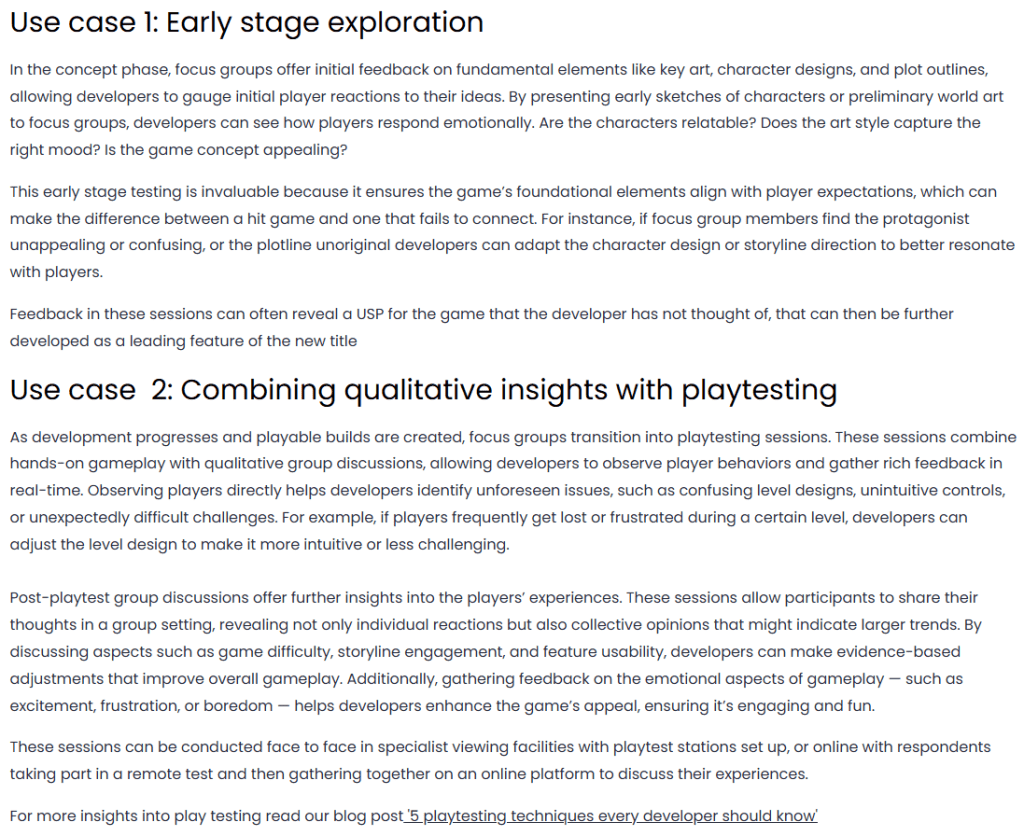
Source 4
A blog post about focus groups in the games industry.
Quantitative research
Quantitative research methodology gathers numerical data through studying graphs or statistics to predict results. For example, studying a list of “Most played Racing games” (Source 5). This is advantageous because employing trends from statistics will help predict future outcomes. However, some sources may be outdated or misleading.
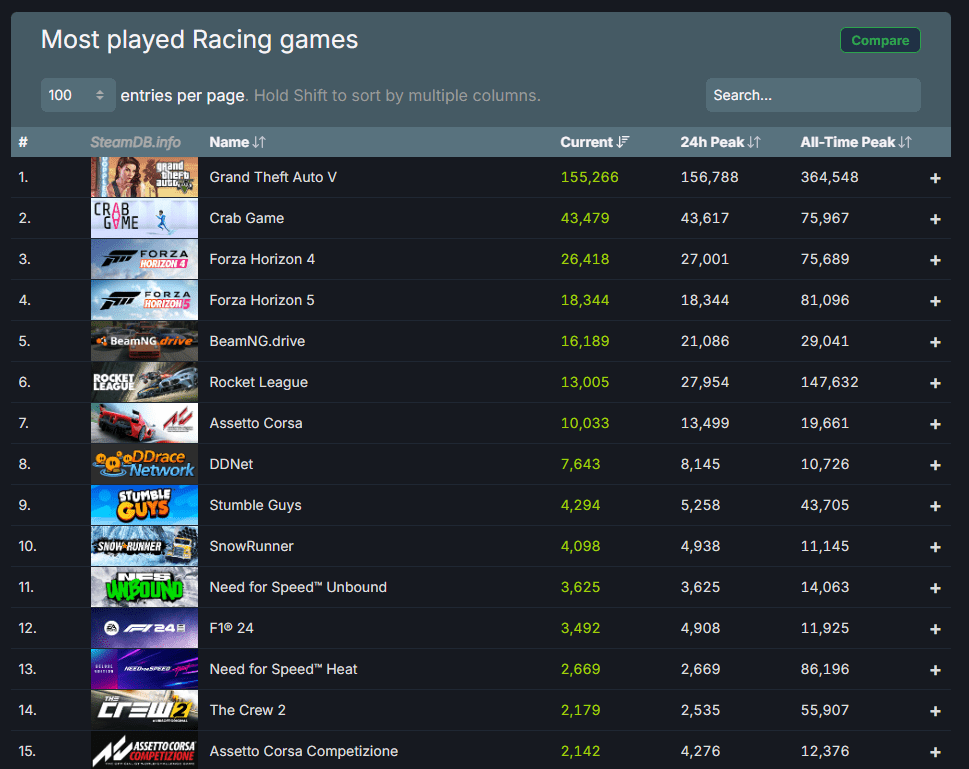
Source 5
A chart of the most played racing games on steam.
Mixed-method research
Mixed-method research methodology combines both numerical and non-numerical data to gain a deeper understanding on a subject. For example, collecting both thoughts and statistics to understand specific topics (Source 6). This is advantageous due to it being more in-depth than other methodologies. However, these techniques may be time-consuming.

Source 6
A paper on mixed-method research on observing gameplay.
Research statement
I will conduct thorough research into employment for games programmers. To accomplish this, I will: browse through job listings, study the skillset and qualifications required, explore the pay rates at various studios, analyze pay rates for each listing, investigate availability for employment, and observe interviews with real games programmers. I selected this role because I enjoyed coding mechanics in previous projects.
Research – Group work
In our groups, we each chose a role in the games industry to research. Here are our pages of what we researched.
Researching my own career path
For my own career path, I would like to become a games programmer. To achieve my goal, I will identify what I need to improve in order to become a games programmer, then will create a plan to follow to achieve my goal.
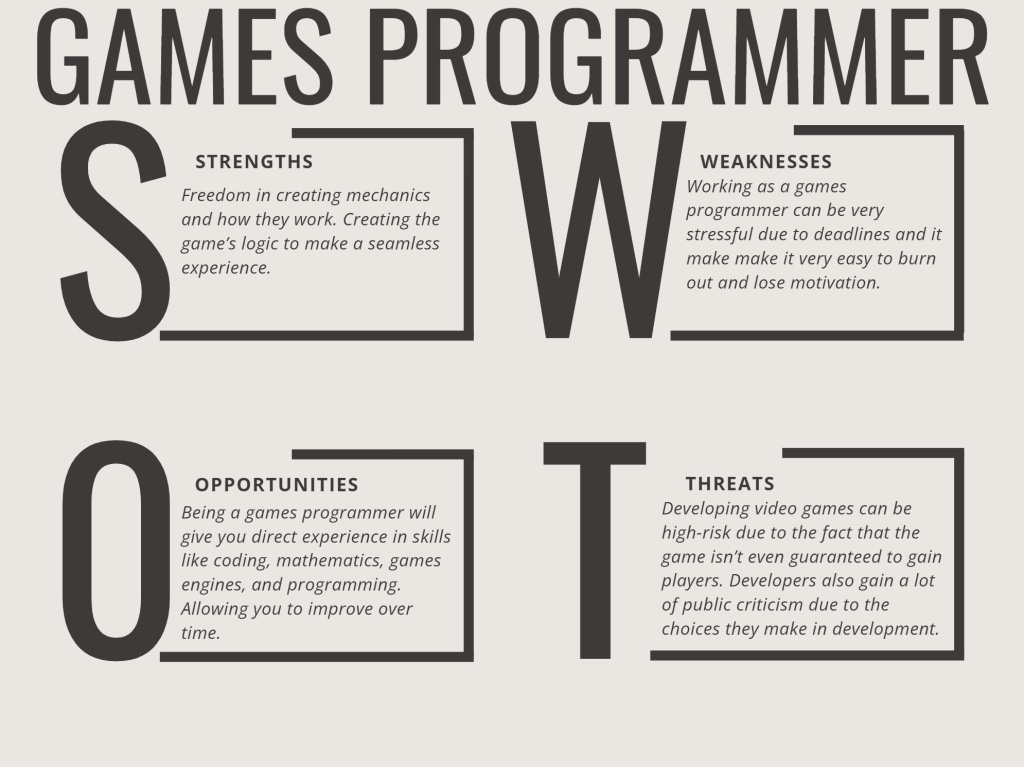
I created a SWOT analysis diagram for a games programmer to identify the strengths, weaknesses, opportunities, and threats of the role.
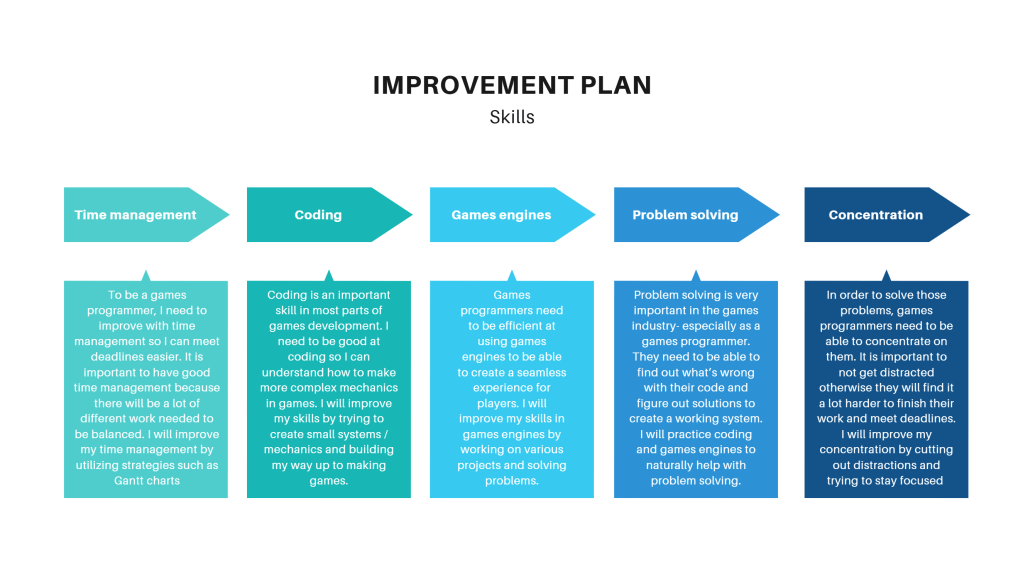
Next, I created a plan to improve my hard and soft skills. I chose 5 different skills and talked about why they were important and how I will improve on them.
I made a graphic about my strengths and weaknesses so far so I can have a better understanding of what I need to work on.

Evaluation
Group work evaluation
To begin with, I think our group had very clear communication; we split up our tasks and chose a career each. However, once we had finished the first task, most of us lost motivation and fell behind. This caused us to lose proper communication and leave it until last minute.
For the first half of the assignment, I managed to get ahead of my Gantt chart, leaving myself more time to work on the other parts of the assignment. However when it got to the research task, I fell behind. I still managed to get it finished but it was a bit close to the deadline.
Career development evaluation
After extensive research into my career path, I think I have less of an idea of what role I want to take in games development. Researching the roles didn’t dissuade me from wanting to be a games programmer, however, it did make me aware of what all the other roles get to do, which I am also interested in.
Bibliography
Martin, S., 2024. Video game focus groups – 3 applications, Bryter. Available from: https://www.bryter-global.com/blog/video-game-focus-groups [Accessed: 15 December 2024].
Steam charts – most played racing games, 2024. SteamDB. Available from: https://steamdb.info/charts/?tagid=699 [Accessed: 15 December 2024].
Dow, S., MacIntyre, B. and Mateas, M., n.d. Understanding Engagement: A Mixed-Method Approach to Observing Game Play. Available from: https://www.cs.cmu.edu/afs/cs/Web/People/spdow/files/AEL-CHI08-ws.pdf [Accessed: 16 December 2024].
Bay, J.W., .2015. Video Game Developer Salary, Game Industry Career Guide. Available from: https://www.gameindustrycareerguide.com/video-game-developer-salary/ [Accessed: 15 December 2024].
 Logan Brickhill